December 15, 2019

The D Man's Favorite Albums of the 21st Century

These albums captured my aesthetic imagination, fixated my devotion, and rewarded listen after listen.  While some of these albums merited inclusion in the best of the 21st Century, others were only middling from a critical perspective.  But the heart loves what it loves, and these records burrowed their way into my life in subtle and profound ways.  Enjoy.

Silver & Gold

Silver & Gold by Neil Young (2000).

The title track became a lullaby that I have sung to my children literally hundreds of times.  This underrated folk record may not be Uncle Neil's best, but it is sweet and introspective, finding the aging artist in a place of deep contentment with little to prove.

Stephen Malkmus [VINYL]

Stephen Malkmus (2001).

The Pavement frontman's first solo album was a deliriously delightful series of guitar doodles and English major drop-out scrawls.  Recency bias should not resign this record to the vacuum of oblivion, though such a fate could have been worthy fodder for a bonus track.

Yoshimi Battles The Pink Robots

Yoshimi Battles the Pink Robots by The Flaming Lips (2002).

A quasi-concept album about a future Japanese girl (with a blackbelt in karate!) who battles pink robots in the face of her likely demise.  After The Lips high-water mark The Soft Bulletin, the Oklahoma weirdos rewarded us with a deeply affecting set of universal humanism.

Desire

Demolition by Ryan Adams (2002).

Though not his best record, this follow-up to the superb Heartbreaker and Gold somehow earned a spot in my Honda CRV 6-CD rotation that lasted for years.  A collection of scrappy demos, outtakes, and other experiments showcases a wide-range of Adams' influences from country to punk and folk to rock.

Transatlanticism by Death Cab for Cutie (2003) Audio CD

Transatlanticism by Death Cab for Cutie (2003).

Death Cab's last "indie" release on Barsuk is arguably their best record.  An enchanting blend of intimate songwriting and big-hearted hooks, Transatlanticism is still the soundtrack for thousands of sensitive romantics that wrote poetry to their girlfriends and made mixtapes well into college.

Heavier Things

Heavier Things by John Mayer (2003).

We loved young John Mayer, then we hated boorish John Mayer, then we forgot about John Mayer for quite awhile, then we realized that John Mayer had turned over a new leaf and was rather enjoyable and still quite talented after all this time.  During that first phase, there was a pocket where tracks like "Clarity" rang loud and true.

Golden

It Still Moves by My Morning Jacket (2003).

In the Louisville band's first decade, My Morning Jacket fused Southern rock, country, and psychedelia to arrive at new kind of Americana, especially on this sprawling, guitar-driven record washed in silos of reverb.  There may not be two better open-road songs than "Mahgeetah" and "Golden."

Ghosts Of The Great HighwayTiny Cities

Ghosts of the Great Highway & Tiny Cities by Sun Kil Moon (2003 / 2005).

Mark Kozelek's powerful first record as Sun Kil Moon imagined a hazy world of lost fathers, tragic boxers, and haunted lovers, cast in a nostalgic spell of gorgeously rendered, guitar-drenched folk rock.  His second album then reduced an entire collection of Modest Mouse songs to sparkling acoustic poetry, which ultimately paved the way for some of his finest songwriting on records like April, Admiral Fell Promises, Perils from the Sea, and Benji. 

Riot On An Empty Street [LP]Declaration Of Dependence

Riot on an Empty Street & Declaration of Dependence by the Kings of Convenience (2004).

Two soft voices, blended in perfection.  The Kings of Convenience are a way of life, a way of moving through the world, a way of declaring your dependence on each other.  Norway's Erlend Oye and Eirek Glambek Boe are childhood friends that create lovely acoustic records, and their togetherness moved The D Man into an unwavering aesthetic discipleship.  They are currently recording their first album since 2009, and The D Man has never anticipated a record with such restless pining.

In A Safe Place

In A Safe Place by The Album Leaf (2004).

Jimmy LaValle's largely instrumental album will seep its way into your winter bones.  Recorded in Iceland and produced by Jonsi (Sigur Ros), it is a gorgeous ambient record that seeks to discover the magic teeming just beyond the natural world.

Seven SwansIllinois

Seven Swans & Illinois by Sufjan Stevens (2004 / 2005).

Sufjan's masterful folk album is an enduring aesthetic triumph, brimming with deep Christian meditations.  On the wonderful track "He Woke Me Up Again," he snaps awake, Spirit-filled, ready to proclaim the holy sound of God's intervening voice.  Sufjan followed this quiet record with his magnum opus Illinois, which is still the only record that has ever kept me from sleeping because of overjoyed excitement.

Nashville
Nashville by Josh Rouse (2005).

Rouse paid homage to his new digs with this collection of smooth and well-crafted pop songs, tapping into the luster of '70s AM radio.  He later relocated to Spain and inspired substantial listening with record after record of adult contemporary ease.

Mew And The Glass Handed Kites

And the Glass-Handed Kites by Mew (2006).

The Danish band created a dark fantasy kingdom with musical pageantry for everyone.  Epic guitar lines.  Swirling keyboards.  Strange lyrics with over-dramatic song titles.  Soaring melodies sung in the highest of male registers.  Metal heads, indie rockers, and shoegazers rejoiced together.

The End Of History

The End of History by Fionn Regan (2006).

The Irish singer-songwriter's debut features acoustic tracks that are at once forlorn and beautiful.  The elliptical simplicity of his lyrics spin gold on "Be Good or Be Gone," "Put A Penny in the Slot," and the utterly timeless "Abacus."

Night Falls Over Kortedala

Night Falls Over Kortedela by Jens Lekman (2007).

Our favorite Swedish troubadour's bittersweet brand of literate whimsy set listeners aloft.  Bright and brilliant, blissfully melodic, Lekman's sample-laden chamber pop (packed with guitars, pianos, horns, and strings) will make you laugh and cry at the same time, and his triumphs and heartbreaks will make you want to explore his wonderful catalog.

Two Suns

Two Suns by Bat for Lashes (2009).

Bat for Lashes' second album lights up a lush underworld of lullabies, dreams, and dirges.  Natasha Khan's subterranean voice floats over, through, and around seriously striking songwriting.  "Daniel" is one of the The D Man's all-time favorite songs, striking up a long-running love affair with the British artist.

Gemini

Gemini by Wild Nothing (2010).

Wild Nothing's dreamy, shoegaze guitar-pop hints at the ineffable.  Gemini is awash with starry-eyed synths, crystalline guitars, and wistful atmospherics, re-imagining a vein of iridescent '80s pop music, where the answers just lead to more questions.  Jack Tatum's debut led to the stunning follow-up Nocturne and endless listening for The D Man.

Celebration Rock

Celebration Rock by Japandroids (2012).

There is no need to psychoanalyze one of the best rock albums in recent years.  If they try to slow you down, tell them all to go to hell.  The line sums up the ethos of Vancouver duo Brian King and David Prowse: go hard or go home.  And if you go home, your mates will come and get you out of bed and have you partying again to fist-pumping excess.

The Ghost Of The Mountain

The Ghost of the Mountain by Tired Pony (2013).

While The D Man enjoyed much of Gary Lightbody's work with Snow Patrol, it was the Irishman's two albums of American-inspired folk rock with supergroup Peter Buck (R.E.M.), Richard Colburn (Belle & Sebastian), and Jackknife Lee that captivated years of repeated listens and catapulted him to one of my favorite vocalists.

E·MO·TION[LP]

Emotion by Carly Rae Jepsen (2015).

After her massive hit "Call Me Maybe," Canada's Carly Rae Jepsen somehow became indie's version of a massive pop star.  Emotion is packed with effortless and accessible dance tracks, including arguably the best pop song of the decade, the escapist "Run Away with Me."

Ocean by Ocean

Ocean by Ocean by The Boxer Rebellion (2016).

This late-era exercise in soaring Brit pop kept finding its way into The D Man's stream of listening.  At some point, I realized that I loved this straightforward record as much as any competitors worthy of critical acclaim.
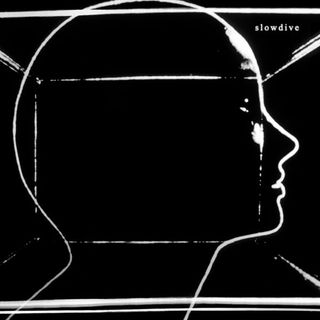
Slowdive artwork

Slowdive by Slowdive (2017).

Slowdive's self-titled record straddles time and space.  Having already established themselves as one of the leading lights of shoegaze, and having already recorded three classic albums exploring most of the genre's musical boundaries, the British stalwarts resurfaced in 2017 with dreamy and dissonant textures to rival anything from the band's '90s alt-rock heyday.

Not Even Happiness

Not Even Happiness by Julie Byrne (2017).

Amid stunning and spare production, Not Even Happiness showcases Byrne's expert arrangements, fluid fingerpicking, and gorgeous alto, as she moves through tales that incorporate the land and her traveling spirit, at once earthy and ethereal.  The record alighted like a native bird settling into its habitat, bringing meditative psalms no matter where The D Man went.

December 7, 2019

The 21 Best Albums of the 21st Century

The D Man's rules were simple.  Twenty-one albums from twenty-one different artists.  Try to fairly cover musical ground from the past two decades.  So Kid A emerged over In Rainbows, Lost in the Dream bested A Deeper Understanding, and Carrie & Lowell quietly slid past Illinois after some crying, etc.  These are the best of the best.  In my next installment, I will highlight my "favorite" records that, although they may not have landed on this list, likewise captured my aesthetic imagination, fixated my devotion, and rewarded listen after listen.

Kid A

Kid A by Radiohead (2000).

At the turn of the century, Radiohead deconstructed the titanic rock record -- their own! -- and created a post-modern masterpiece: strange, haunting, rhythmically complex, and, somehow, amid the dread of our age, dazzling and beautiful.

Agaetis Byrjun

Agetis Byrjun by Sigur Ros (2000).

Iceland's Sigur Ros established their near-mythic status with their second album, introducing listeners to sounds they could not have imagined: lush, dissonant, ambient post-rock orchestration helmed by singer Jonsi Birgisson's otherwordly vocals and cello-bowed guitarwork.  With songs that seem to reinvent the natural world, this record is the band's perfect distillation: beautiful, forlorn, and epic, conjuring up untold ages of men, ghosts, summers, winters, and suns.

The Moon & Antarctica (2 LP 10th Anniversary Edition) [Vinyl]

The Moon and Antarctica by Modest Mouse (2000).

Spare, jagged, and roaring with near nihilistic impulses, Modest Mouse's third record can jolt any dead heart back to beating.  Before the band turned Isaac's Brock's frenetic worries into polished, melodic guitar wonders on Good News For People Who Love Bad News, the Washington band struck chord after unnerving chord with the stiff winds howling through this monument of indie rock.

Discovery

Discovery by Daft Punk (2001).

Daft Punk ruled the planet at the turn of the century and humans were merely automatons programmed to dance to their music.  The  duo of Guy-Manuel de Homem Christo and Thomas Bangalter, preferring anonymous robot personas, stormed the French house scene and ultimately transformed it into epic electronic operas, with a heavily compressed sound and auto-tuned vocals that spawned a million imitators.

Yankee Hotel Foxtrot by Wilco (2002)

Yankee Hotel Foxtrot by Wilco (2002).

The brilliant Chicago band disintegrated while making the record that would come to symbolize a stunning blend of indie-rock experimentation and warm accessibility.  Arguably Wilco's career highlight, the record ranges across off-kilter versions of folk, pop, and rock music.

Funeral

Funeral by Arcade Fire (2004).

The apotheosis of the first decade's indie-rock obsessions.  Though the record was created in the wake of the death of band member's loved ones, it is brimming with power, hope, danger, and fierce righteousness, seeking connections in the never abandoned: brothers, sisters, friends, truth, and dreams.

Boxer

Boxer by The National (2007).

We're half awake in a fake empire.  Somewhat chilling, thus begins the sublime Boxer, with Matt Berninger sounding like a fractured, amplified Leonard Cohen, loosely tying together adult threads of love, loss, and alienation.  The record's urban elegance shimmers in the streetlights, rewarding listen after listen with a rich, world-weary texture of chamber-pop, folk, and post-punk, barely eclipsing Alligator's blazing glory by virtue of a longer existential sigh.

Graduation by Kanye West Clean edition (2007) Audio CD

Insert Your Favorite Kanye Album [Graduation] (2008).

For many listeners, Kanye's climax (before he was fully Kardash-ified) will be My Dark Twisted Fantasy or Yeezus.  For others, like The D Man, it will be the soul-inflected uplift of his earlier records like The College Dropout and Late Registration.  But the nod here goes to Graduation, arguably the moment he turned into a post-rap global pop star.

Fleet Foxes

Fleet Foxes by Fleet Foxes (2008).

Bursting with baroque pop harmonies seemingly hatched in a forest glen, Fleet Foxes' timeless textures weaved spellbinding melodies into an instant classic.  Flowing hair, beards, vests, goats, acoustics, folk motifs, and four-part a cappellas, the record turned a variety of influences into a unique musical kaleidoscope.  With strains of shape-note singing, Pet Sounds harmonies, gospel, and folk, Robin Pecknold and his mates rolled over hills, woods, and rivers into some kind of Appalachian wonderland.

Teen Dream

Teen Dream by Beach House (2010).

Beach House's glimmering dream pop reached light-filled climaxes on the band's third album.  It is a masterpiece of mood and melody, gorgeous and beguiling.  Victoria Legrand's signature organ tones and Alex Scally's rippling guitars are the sonic equivalent of waves breaking on a sun-strewn morning beach, or of lovers holding hands on a lidless night.

Kaputt

Kaputt by Destroyer (2011).

Vancouver's Dan Bejar navigates the backrooms of the world, breathing cinematic life into a modern, urban noir.  An atmosphere of rain-soaked city parks, throbbing nightclubs, and deserted downtown streets is evoked with exquisite language; Bejar's lyrical approach to his cosmopolitan subjects is nothing short of poetry.  Musically, with only a hint of irony, Kaputt melds watery bass lines, smooth jazz, and new wave synths into a lush canvas of scenesters, romantics, and playboys, all of them literate, wry, and wizened.

Bon Iver

Bon Iver by Bon Iver (2011).

I can see for miles, miles, miles.  Leave the parenthetical coasts and strike out for the continent.  Consider the wide expanse and the places that unfurl.  Minnesota, Wisconsin, Michicant.  Lisbon, OH.  Winnum, TX.  Calgary.  On Bon Iver's brilliant self-titled album, Justin Vernon sets his earthworn gaze across it all, traveling beyond the unconventional and folk-riddled province of his debut into expansive realms all his own.

Hurry Up, We'Re Dreaming (2LP)

Hurry Up, We're Dreaming by M83 (2011).

M83's awesome double album delivered on all of Anthony Gonzelez's promises, demonstrating his mastery of cinematic and cerebral textures, and spinning out gorgeous after gorgeous moment of life-affirming, maximalist pop music.  Led by the still indomitable "Midnight City," cynicism dies in the face of his unyielding sonic optimism.

Modern Vampires of the City

Modern Vampires of the City by Vampire Weekend (2013).

I still remember my first listen; I swooned.  And I knew immediately I was listening to an American pop classic like Bridge Over Troubled Water.  Whether the realization dawned during the piano in "Hannah Hunt," the guitar breakdown in "Everlasting Arms," or the chorus swells in "Step," I cannot be sure now.  But it was an engrossing feeling, a self-aware recognition of timeless pop genius unfolding in real time.

Benji

Benji by Sun Kil Moon (2014).

If albums were contending for the equivalent of the Great American Novel, Benji would be on the shortlist.  A cohesive, thematic whole, it is both a literate masterwork and musical stunner.  Mark Kozelek chronicles his roots in Ohio, his emergence as an artist, and his everyday present, creating a poignant aesthetic with sharp-edged diaries, seemingly tossed off, like a beat poet with a nylon string guitar.

Lost in the Dream

Lost in the Dream by The War on Drugs (2014).

When rock music doubles as spiritual suffering and rejuvenation, it is both surprising and soul stirring.  Guitars and drums and vocals can make listeners feel many things, but when they explore dark personal hallways and illuminate the path of faith, however faint, it is an empathetic, immersive experience.  Lost in the Dream drives through the open-road mist, uncertain but reaching, tapping into a universal vein of heartland rock while sounding generous and cathartic.

Carrie & Lowell

Carrie & Lowell by Sufjan Stevens (2015).

Sufjan's quiet and beautiful masterpiece is the sound of allowing grief to run its course before the healing and answers ever come.  It is that space between a broken heart and being bound up again.  It is the wrenching days, months, or years when agony persists and the balm fails to appear.  It is the call of learning to mourn with those that mourn.  (You can read my open letter to Sufjan here).

Currents

Currents by Tame Impala (2015).

Currents is a studio album so exquisite, with off-the-chart, hi-fidelity production values, it is hard to believe that mastermind Kevin Parker recorded it by himself in a small shack in Perth, Australia.  While it is a towering recording achievement and an audiophile's daydream, Currents is also an immense pleasure to listen to, as its canyon-sized grooves gloriously run to star-soaked coastlines.

DAMN. [Clean]

DAMN by Kendrick Lamar (2015).

An experimental fusion of rap, jazz, R&B, and funk music, Kendrick Lamar's third album, To Pimp A Butterfly, soared with his lyric ferocity and timely narratives of black alienation and empowerment, cementing his status as this generation's hip-hop voice of reason and warning.  But The D Man favored the spare and arguably more populist DAMN, with its hard-hitting flows and varied political and personal introspection.

In Colour By Jamie xx (2015-06-01)

In Colour by Jaime xx (2015).

Panoramic and pristine, In Colour is arguably one of the best house records of all time.  It is a sparkling dance score experienced from great heights, elegant and lavishly produced.  Jamie xx's solo debut arrived after years of curating in-demand DJ sets and helming production of The xx's minimalist records.  In parts nocturnal and noonday, the music is dark hued and glimmering, serving as a grand escape from the glut of meathead EDM that ruled much of the airwaves.

Coloring Book [Explicit]

Coloring Book by Chance the Rapper (2016).

Coloring Book is an absolute triumph and easily my favorite rap album since Graduation.  Hailed as a mere "mixtape," its musical ethos spans gospel, R&B, soul, jazz, and spoken word, resulting in a boundary-blurring joy of a record.  Listeners can detect no hypocrisy or exaggeration; Chance's spiritual experience, undoubtedly Christian, shapes his aesthetic worldview as the blessings fall from above, hip-hop hymn after hip-hop hymn.

The 21 Best Concerts of the 21st Century

The D Man attended over 100 shows.  Some great ones do not make this list.  Here are my most memorable and thrilling experiences.

(1)  Sufjan (The Trilogy): Phoenix (Illinois Tour), Salt Lake (Age of Adz Tour), Portland (Carrie & Lowell Tour).  Each show indelible, sublime, and cathartic.

(2) Sun Kil Moon: Randy's Backyard 40th Birthday Party (2010).  The D Man introduced his songwriting hero before Mark Kozelek played a wonderful acoustic set.

(3)  Kings of Convenience: Columbus (Riot on an Empty Street Tour) (2005); Los Angeles (Declaration of Dependence Tour).(2011).  Two soft voices blended in perfect.  After the first show, Erlend danced in the crowd.  After the second, Randy and The D Man hung out with Erlend on the top of an L.A. roof.

(4) Midnight Oil: Orem (Capricornia Tour) (2002).  A mesmerizing set during the band's last North American show for more than 15 years.

(5) The Police: Las Vegas (2007).  The giddy fruition of childhood dreams.

(6) The National: Salt Lake (Trouble Will Find Me Tour) (2013).  A flawless setlist and an inspired Matt Berninger made for a heady experience in the masses under the stars.

(7) Mew: Salt Lake (+ - Tour) (2015).  A magically stunning performance; arena-worthy rock in an intimate venue.

(8)  Fleet Foxes: Salt Lake (Helplessness Blues Tour) (2011).  Gorgeous outdoor summer setting met with equally gorgeous harmonies and musicianship.

(9) Bon Iver: Salt Lake (Bon Iver Tour (2012).  Spine-tingling and life-affirming set from one of the decade's most important artists.

(10) Foo Fighters: Orem (One by One Tour) (2003).  The D Man and Rizzo moshed crazy hard to a throttling set from the always-on-their game live band.

(11) Beck & The Flaming Lips: Salt Lake (2002).  The Lips set included furry animals, bouncing balls, and confetti.  Then the Lips backed up Beck's two-part set of Sea Change strummers and dance-bomb groovers.

(12) Sigur Ros: Salt Lake (Kveikur Tour) (2016).  Otherworldly and magnificent.  How can I ever forget hearing Jonsi live?

(13) Sting & Peter Gabriel: Hollywood Bowl (2016).  I still have chills from seeing "In Your Eyes" and other Gabriel numbers live for the first time.

(14) Arcade Fire: The Forum (Reflektor Tour) (2014).  Shelley and The D Man paired an anniversary trip with an explosive set from the indie rock titans.

(15) Vampire Weekend & Beach House (Contra Tour / Teen Dream Tour) (2010).  A splendid double bill from two of the finest American bands this century.

(16) My Morning Jacket: Salt Lake (Z Tour) (2007).  The D Man went solo to this show and got lost in the shredding.

(17) Modest Mouse: Salt Lake (2009).  Two drummers hammered away as Isaac Brock killed his frenetic and varied vocals track after track.

(18) U2: Salt Lake (360 Tour) (2011).  A huge spectacle that delivered all the feels.

(19) Death Cab for Cutie: Columbus (Transatlanticism Tour) (2004).  A wonderful feeling enveloped the room across the street from my law school.

(19) David Byrne: Salt Lake (American Utopia Tour) (2018).  An impeccably choreographed delight featuring a sprightly Byrne in all his art rock glory.  *Two nineteens, my list!

(20) Future Islands: Salt Lake (Singles Tour) (2014).  Sam Herring's banner year delivered crowd-pleasing moment after moment.

(21) Wilco: Columbus (A Ghost Is Born Tour) (2005).  The D Man and Barn Dog caught the Chicago stalwarts at the height of their powers.

December 1, 2018

1. A Brief Inquiry Into Online Relationships / The 1975

Whip-smart, omnivorous, and confessional, The 1975's A Brief Inquiry Into Online Relationships is the year's best album.  At the end of November, this big, audacious, world-beating pop record came along in the nick of time to claim its rightful spot at the top.  In a year that was missing an arena-swelling record that delivered on all fronts, the Manchester band took a giant leap into the zeitgest, burying any notion that less is more.

A Brief Inquiry is the sound of millennials holding a mirror up to millennials, as Matt Healy's songwriting defiantly seeks to avoid crumbling under the weight of their collective anxieties.  In the age of Brexit, Trump, and virulent tribalism, the record is an antidote that encourages you to give yourself a try, give us a try.

The record has everything.  There are buzzy emo anthems ("Give Yourself a Try"), bouncy trop-pop affairs ("TOOTIME"), UK garage workouts ("How To Draw / Petrichor"), arena synth-rockers ("Love It If We Made It"), acoustic love ballads ("Be My Mistake"), jazz-fusion trips ("Sincerity is Scary"), auto-tuned torch jams ("I Like America & America Likes Me"), and '90s R&B joints ("I Couldn't Be More In Love").  Healy and his mates range across genres and find thrilling inspiration in making them their own, timely and accessible.  Had The 1975 chosen just any one of these paths, the band would have made a fantastic record, which is truly remarkable.

Much has been made of Healy quoting Kanye and Trump in "Love It If We Made It" or disclosing his past battles with drugs in "It's Not Living (If It's Not With You)."  While his writing is vulnerable and prescient, the record is more than Healy's private demons or a topical run through headline swipes.  It is ridiculously fun and enjoyable, a heady rush of uplifting melodies and in-the-pocket grooves.  "I'm making pop records," Healy said.  "When I say we're a pop band, what I'm really saying is we're not a rock band.  Please stop calling us a rock band--cause I think that's the only music we don't make."

The pop eclecticism is exhilarating.  It is clear the band is in love with a wide range of influences, unafraid to tackle them with their considerable artistic gifts.  "How to Draw / Petrichor" is "the sound of being young," a homage to the late-night dance records Healy consumed as a kid while listening to the radio at home.  "Love It If We Made It" was influenced by "killing The Blue Nile's Hats before we went on stage, listening to that record until it broke."  Stuffed with lines from Kanye, Trump, and the tabloids, the track is the best arena-rock song of the year, deftly chronicling the can-you-believe-it madness of our day.

"Be My Mistake" channels Nick Drake as Healy goes full-out singer-songwriter.  "Sincerity is Scary," a subtle screed against social media, is avante-garde jazz in the vein of Chance the Rapper.  The superb track features jazz player Roy Hargrove, who laid down the brass section for D'Angelo's Voodoo, and "the greatest musician I've ever been in a room with by a mile," according to Healy.  "I Like America & America Likes Me" apes Bon Iver's auto-tuned synth to glorious, nocturnal realms.  "It's the sound of America to me at the moment," Healy said.  "I was almost going to put it out with just mumble lyrics, to see how far I could take it."

"Mine" is a classic jazz standard inspired by the band's love of Coltrane.  "Surrounded by Heads and Bodies," a sharp retelling of Healy's time in rehab, lifts its title from the opening lines of David Foster Wallace's Infinite Jest, which Healy read because it was opened to its first page, "as most copies of Infinite Jest are."  "I Always Wanna Die Sometimes" employs strings by David Campbell, the same guy who glossed them all over the Goo Goo Dolls' "Iris."  Healy hoped the cinematic closer might be the band's "I Don't Want to Miss A Thing," which is sort of awesome to admit.

Undoubtedly, The 1975's record is the sound of 2018.  Hugely entertaining, ambitious, maximalist, dizzying, sincere, the record leaves it all out there, haters be damned.

(Bonus points: best video of the year riffing on The Talking Heads' classic live concert Stop Making Sense.)

2. Golden Hour / Kacey Musgraves

On Golden Hour, the world is new and fresh and wildly alive.  We have been snapped awake to its wonders and graces.  Kacey Musgraves opens the blinds and lets light in as if seeing existence shining in things for the very first time.  Rainbows, flowers, butterflies, friends, loyalty, and love--all of it is invigorating.

Encouraged by Shelley during a family road trip to California, The D Man listened to the Nashville outsider's exquisite third album.  The payoff was immediate.  Not that there was anything to unearth--the record's radiance was brilliant enough for even the vapid Grammys to give it a nomination for Best Album of the Year.

Vivid and focused, Musgrave's songwriting is delightfully straightforward.  On "Slow Burn," the record's opening mantra, Musgraves is just fine letting the world turn slow, crackling, and hot.

'Cause I'm alright with a slow burn
Taking my time, let the world turn
I'm gonna do it my way, it'll be alright
If we burn it down and it takes all night
It's a slow burn.

On "Love is a Wild Thing," Musgraves is incapable of seeing anything but life's glorious mystery and love's peculiar magic.

Running like a river trying to find the ocean
Flowers in the concrete
Climbing over fences, blooming in the shadows
Places that you can't see
Coming through the melody when the night bird sings
Love is a wild thing

On "Oh, What a World," Musgraves continues to marvel at the glory of it all.

Northern lights in our skies
Plants that grow and open your mind
Things that swim with a neon glow
How we all got here, nobody knows

These are real things

Oh, what a world, don't wanna leave
All kinds of magic all around us, it's hard to believe
Thank God it's not too good to be true,
Oh, what a world, and then there is you.

And then there is you.  Musgraves, married last year, turns her enraptured attention to the lover by her side on "Butterflies."

Now you're lifting me up, instead of holding me down
Stealing my heart instead of stealing my crown
Untangled all the strings round my wings that were tied
I didn't know him and I didn't know me
Cloud nine was always out of reach
Now I remember what it feels like to fly
You give me butterflies

There are so many other vivid gems: "Lonely Weekend" is grand Rumours-worthy pop that embraces the bittersweet in solitude; "Space Cowboy" winks with the title pun but turns poignant and lovely; and "Happy and Sad" is up-and-down, effervescent emotion.

There is plenty of cheeky fun too: "Velvet Elvis" sings the praises of her stylish man; "Wonder Woman" empowers vulnerability in love; and "High Horse" is a country-disco kiss-off to that dude who kills the buzz every time he opens his mouth.

Musgraves' melodies are buoyant and memorable, displaying a grand sense of optimism.  Where she previously emphasized her edgy bona fides as a way of contrasting her status on the outside of Nashville's mainstream, her only aim here is to write and sing sparkling country-pop songs, which she accomplishes at every turn.  She is supported by the record's vibrant 4K production, which is spacious and delicate, as steel guitars, banjos, and acoustic guitars allow her voice to swoop and soar, unimpeded.

On the title track, Musgraves' sings "you make the world look beautiful / thought I'd seen it all before."  It perfectly sums up the dazzling way Golden Hour lights up listening by virtue of her incandescent songwriting.

3. 7 / Beach House

The D Man played "Woo" on a beachfront deck at the precise moment the summer sun disappeared below the water.  My companions were struck by the track's perfect imprint on the moment--it captured the ineffable feelings we shared at the time.  Such is the blessing and curse of Beach House.

The Baltimore duo's music really does grasp the elusive by soundtracking bliss, heartache, yearning, and wistfulness, often within the same song--it is potent, crystallized nostalgia.  But this magic can be reduced by some to a vibe, a wallpaper, a shorthand, a fleeting fancy.  Such reduction is folly, however.  Victoria Legrand and Alex Scally are masterful songwriters and musicians, and listeners can revisit their aural incantations over and over without tiring of their spells.

Beach House's seventh album confirms what we already knew: the duo is a generational talent and has created one of the defining sounds of the post-indie rock era.   Legrand's glorious voice/organ tones coupled with Scally's rippling guitars foreground a powerful dialogue between mind, body, and spirit.

7 crackles with beautiful intensity as the duo find the serrated edges and rougher textures of their shapely soundscapes.  The push and pull between their lush impulses and sharp elbows add a new dimension to their dreamy tones, wild and ecstatic.  The music roils and reverbs, electronic beats merge seamlessly with fuzzed-out guitars, and otherwordly anthems emerge, buzzy and full of romance.  Incredible tracks like "Lemon Glow," "Dive," and "Black Car" reveal new and exciting contours, resulting in hands down the best headphone listen of the year.

After creating several classics, Beach House certainly has a claim on this year's top spot.  But the more interesting angle is this: bands this far into their careers should not be making such fresh and daring records.  It almost never happens.  The fact that Legrand and Scally continue to inhabit their gorgeous worlds, their organ swirls, their shimmering guitars, and their unmistakably unique allure, well, it is worth celebrating.

4. The Horizon Just Laughed / Damien Jurado

"These things happened a long time ago," Jurado sings on arguably the year's perfect song, but his sentiments seem proximate and poignant.  "We only had ten dollars to our name / It was not enough to get us home / What was I thinking trusting you? / My family was right all along."  As he leaves, "off to Nebraska, off to Maine," he realizes Thomas Wolfe was right: "you can't go home again," wherever and whatever that place may be.

And yet, The Horizon Just Laughed sounds exactly like home.  Though a collection of "goodbye songs," as Jurado calls it, with run-ups, sendoffs, homages, and elegies, the record resounds with the crackling warmth of better days.  Rich and graceful, The Horizon Just Laughed is a fully-realized addition to the American singer-songwriter canon; where Jurado initially toiled as a lo-fi folk troubadour, over the years his arrangements have given way to a lush nostalgia powered by his velvet baritone.

The Seattle musician's 13th studio album may be his best.  He self-produced for the first time, employing a deft use of strings, piano, wurlitzer, and backing choirs.  Everything feels purposeful, nothing out of place, allowing his arrangements to accentuate his crisp lyricism and beautiful timbre.  His vivid '70s AM pop glow is deeply affecting and the perfect backdrop for his allusive storytelling, which incorporates bygone bandleaders, screenwriters, novelists, and cartoonists.

The record opens with sweeping strings on "Allocate," as he chides a former lover: "Ain't it sad to see your life not work out? / What made you think I would live in your frown / As you're waiting around for the witches to drown?  The track sounds like an old revelation discovered after hours of vinyl crate digging, immersive and enchanting.

"Percy Faith" bubbles up like a song from The Band's catalog, its chorus a blend of oohs and aahs, and its defining feature a series of wurlitzer runs.  "Marvin Kaplan" is a thousand old love songs distilled into something sparkling and new; "where the rain once fell / I lost myself / to the one I love."  As she returns, "like she always does," Jurado exults: "Someone to notice me," confirming again that love is just paying close attention.

"The Last Great Washington State" is a gorgeous reverie to his beloved home, as it gently sways into lovely little choral epiphanies.  "Over Rainbows and Rainier" is a different kind of homage, as Jurado imagines himself being carried over that active volcano when this all comes to an end.  A beautiful and forlorn ballad, he is accompanied by his traveling partner the Angel Moroni: 

I was late to the parlor
When the wind it blew forward
And demanded we get out of town
So me and Moroni took the keys to the steeple
And awaited Armageddon to go down.

The horizon might laugh because it knows we can never escape.  We can never quite get there.  We can never just fly over peaks and leave this all behind.  But these songs sure come awfully close.

5. Knock Knock / DJ Koze

Ever since DJ Koze warped my all-time favorite song into something wistful and groovy, The D Man has been paying attention, elusive as the German producer might be.  It took me at least twenty looks at Knock Knock's cover to find Stefan Kozella shapeshifting into the branches of the tree.  Figures.

DJ Koze is a trickster.  Like the wily character in a fairy tale possessing secret knowledge and using it to disobey conventional rules, DJ Koze mashes genres and bends house, garage, hip-hop, soul, and dance music in unexpected and visually-arresting ways.  He weaves strange psychedelia through his tracks, lending his production a distinctly textured and lived-in feel quite unlike anything from his peers.  The fact that he does not churn out a ton of club filler also increases the emotional heft of his material.  Notwithstanding his excellent DJ Kicks series and some worthwhile remix records, DJ Koze has only released three studio albums since 2005, each one impeccably curated.

Like 2013's Amygdala, Knock Knock is brimming with ideas and an utter sense of joy and abandon.  Each track fully inhabits its own musical world, allowing listeners to luxuriate in gloriously disparate headspaces.  Despite endless detours running almost two hours, the record's sense of cohesion is staggering.  Every listen yields up new moments worth exploring, summing to a masterstroke of contemporary electronic music.

Great guest spots include Speech's old-skool bars on the bass-n-guitar bounce of "Colors of Autumn"; Jose Gonzalez's melancholic croon on the sunny "Music On My Teeth"; Sophia Kennedy's lording command on the space-jazz of "This Is My Rock"; Roisin Murphy's down-tempo diva spin on "Scratch That"; and Kurt Wagner's laconic synth-speak to the nocturnal ticking of "Muddy Funster."  An African-American hip-hop artist, a Swedish acoustic hero, a German-based indie vocalist, an Irish singer-songwriter, and a Nashville alt-country iconoclast--DJ Koze can make heady use of them all.

DJ Koze's samples are also thrilling.  Two of the best: Justin Vernon and Gladys Knight.  It's almost cheating by sampling Bon Iver's "Calgary" on the track "Bonfire," as Vernon's falsetto lights up almost any genre.  Here, it hangs over the house like an apparition, as throbbing beats try to dispel it back to the deep of the woods.  On "Pick Up," Gladys Knight's haunting voice breaks your heart: "It's sad to think / I guess neither one of us / Wants to be the first to say / Goodbye."  Propelled by Daft Punk-style beats and filaments of lonely guitar, "Pick Up" touched the skies when DJ Koze played it at this year's Coachella, and it keeps scraping them play after play.

Timely and timeless, Knock Knock contains multitudes.

6. In Transit / The Amazing

Imagine walking down a road, deep in thought.  The weight of questions bearing down on your shoulders.  The weather turning cold and overcast.  What music would soundtrack your contemplation?  There are countless options, no doubt.  But no score is more fitting this year than The Amazing's In Transit, a dreamy and hypnotic collision of voice and guitar that beckons listeners to meditative bliss.

This Stockholm quintet is arguably the most underrated rock band from the past few years.  2016's Ambulance was spectacular.  Sometimes referred to as the Scandinavian version of Red House Painters, The Amazing take deep dives into patient, gorgeous, and mesmerizing post-rock.  The songs conjure up wistfulness almost on demand, and they produce a yearning that teeters between healing and heartache.

The soundscapes reward patience as they slowly draw listeners in with their rolling meditations. Melodic guitars intersect with a throbbing rhythm section--they rise and fall, point and bend, and shimmer through gossamer strands.  Christopher Gunrup's warm but arresting vocals tease out phrases and hold them until he almost breaks.  When the mix washes over his voice, it becomes merely another instrument, lending an air of the inscrutable.

Subtle climaxes emerge on "Pull" as tidal guitars swell, swirl, and recede.  Gunrup sings about entangled lives that can never come undone.  "I heard from others, it's the way you pull / Like a funeral song gone wrong / But anyway, it's better than this sleepwalking."  On "Voices Sound," the band softly employs reverb for sparkling shoegaze passages, while "Rewind" manages to sound spacey and pastoral at the same time. 

The drifting psych-pop is indelible, but there are elements of Laurel Canyon folk-rock hidden just beneath the surface of the band's electricity.  Cases in point: "For No One" starts with lovely Kozelek-style fingerpicking and then finishes amid spectral echoes, while "Leave Us A Light" sounds like a stellar missing track from April.

The Amazing's songs reach for hard-earned majesty--an opening at the end of the trail, a break in the clouds, a light in the distance.  Though In Transit often evokes a strong sense of nostalgia, the music also creates an enveloping sense of the present moment.

7. Honey / Robyn

The D Man is no expert in the European club scene.  But I have a thriving imagination.  So I'm not going out on a limb by stating this: nothing radiated on the dance floor quite like Honey, easily the best pure pop album of 2018.  After an eight-year absence from the Swedish pop star, and her generally private persona lending an additional air of mystery and anticipation, Honey was a welcome respite from the everyday, and a sophisticated response to the current glut of monotonous or overproduced club jams.

Forty minutes long, Honey is a lean pop opus, stripped of filler and packed with desire, heartache, and groove.  Though Robyn's house-influenced synth pop is spacey and understated, it is inclusive, inviting, and ultimately invigorating.  Highlights include the comeback single "Missing U," the ridiculously sensuous "Honey," the synth and string "Because It's in the Music," the nocturnal pleading "Baby Forgive Me," and the redemptive kiss-off "Ever Again."

Robyn taps into human emotion, urgent and primal, and casts a spell with the simple euphoria of pitch-perfect dance music.

8. Bottle It In / Kurt Vile

Kurt Vile's badassery knows no bounds.  "I park for free!" he exults during the chorus of "Loading Zones," the fantastic opener on Bottle It In.  Even when he runs errands, Vile is much cooler than you.

Get my shoppin' done, laundry too
Drop some dead weight, clean my hands of what I need to clean my hands of
And all for free by mayoral decree
All from zone to loading zone of my town, yeah

Like past efforts, Bottle It In is all vibes, a persona, a feeling, a way of living.  Blissed-out, chilled-out, suburban guitar wizardry.

A relentless search for the groove, Vile's run of superb records continues: the chill-inducing warmth of Smoke Ring for My Halo, the sprawling guitar manifestos of Wakin on a Pretty Daze, and the golden nocturnal tones of B'lieve I'm Going Down all filter into his latest effort, though he largely leaves behind any sense of thematic cohesion on his eighth studio album.  Clocking in at one hour and nineteen minutes, the record is easily the Philly native's most meandering to date; the tracks run the gamut from shimmering folk-rock to laid-back country to spacey psych workouts.  Unhurried and relaxed has always been his calling card, but this record finds new territory for his off-beat, non-chalant take on the ups and downs of life, family, and career.

One way of describing a vile record is to try and describe what his guitar is doing on each track.  Here, you have skittering, stop-and-go, joint acoustic/electric Vile ("Yeah Bones"), you have lush and languid Vile ("Hysteria"), you have pretty rolling from sunset to dawn Vile ("Bassackwards"), you have golden country ringing twang Vile ("Rollin with the Flow"), you have 90s alt-rock crunch Vile ("Check Baby"), you have winding, fingerpicking, feedback Vile ("Mutinies"), or reflective, slow-build, simple strum pattern turn into little squalls Vile ("Skinny Mini").  His distinctive but diverse style is still a driving force as he squeezes out disparate moods and finds new ways of communicating with a guitar in his hands.

The first side of the record is packed with the tightest or most accessible cuts, while the second side gives way to the strangest and darkest doodles of his career (see the title track and "Cold Was the Wind").  The album lynchpin may be track number four, "Bassackwards," a glorious, nearly ten-minute ode to the ineffable.  Though he cannot find the words in the moment, his lyrics are transportive and his guitar/keyboard immersive.  It is another Vile totem, beautiful and effortless, his hazy introspection capturing the elusive, another night stretched out until the sun is reborn.

Other highlights include the ebullient "One Trick Ponies" ("Loved them all through many a lifetime / Some are gone but some still strong / Some are weird as hell but we love'em / Some are one trick ponies but we embrace'em"), the Charlie Rich cover "Rollin with the Flow" ("Some might be callin' me a bum / But I'm still out there having fun / And Jesus loves me, yes, I know / So, I keep on rolling with the flow"), and the anthem to anxiety "Mutinies" ("The mutinies in my head keep staying / I take pills and pills to try and make'em go away / Small computer in my hand explodin' / I think things were way easier with a regular telephone").

Finding a unique voice and singular approach to playing the guitar is almost impossible to do.  Taking strains from 80s heartland rock, alt-rock, slacker rock, folk-rock, and country, Vile has long ago reached the status of a true original.  Bottle It In is just the latest example.

9. Souls & All Becomes Okay / Shallou

Buoyant and life affirming, Shallou's two EPs, Souls and All Becomes Okay, found constant spins during my drives and bike rides.  The mid-tempo electro-pop soothed my spirit with its enveloping warmth and aim for the transcendent.  Love, trust, hope, and new beginnings waft over Los Angeles-based Joe Boston's ethereal creations.  His sleight but soulful voice sets him apart from most producers who rarely make personal appearances on their own tracks.

After throwing "Begin" into the middle of my beach side playlist, it proved to be the moment in the mix.  Rizzo popped his head up as the song's glorious groove wound down.  "What is that?" he asked.  "That was nice."  Indeed, it was.  So it begs the question: can music this nice be aesthetically compelling?  Can it be more than feel-good wallpaper?  Can it persist?

As I returned to Shallou over and over, such questions lost relevance because the cinematic optimism continually rendered my doubt obsolete.  Call it ambient, chillwave, EDM-lite, it doesn't really matter.  It seeps into your feels and delivers.  When the gorgeous opening notes of tracks like "Last Day" and "Love" tease into swelling, locked-in rhythms, something special happens, and it is a place you want to visit, repeatedly.

10. In The Rainbow Rain / Okkervil River

On album opener "Famous Tracheotomies," with washes of sunny keyboards and guitars, Will Sheff shares the pain of his childhood procedure with the likes of Gary Coleman, Mary Wells, Dylan Thomas, and Ray Davies.

When I had my tracheotomy
I was blue and had stopped breathing
There was something wrong with me
Doctors cut through the cartilage and skin
At the bottom of my throat
And then they snaked that trach tube in

As the track progresses and each famous person's trach trial is revealed, a peculiar kinship is formed that is strangely touching, culminating in the magic of the Kinks' "Waterloo Sunset."  Not the typical way to start an album, but this is Sheff with a pen and mic in his hand, after all, his unique prose finding inspiration in unlikely subjects.

On 2005's phenomenal Black Sheep Boy, the Austin singer-songwriter moved in and out of anger and despondency, as if he had just arrived from driving all night from El Paso.  The music reflected this southwestern trek, replete with border trumpets and picked-over strings, and the songs hung together like strange fairy tales hatched in a desert field or poured in the back of a lonely cantina.

Less ragged and spare than its melancholy predecessor, 2007's The Stage Names was full-bodied roots rock, wildly alive, brooding, and majestic.  After some uneven but never boring records, 2016's Away emerged as Sheff's best record in years, arguably the prettiest collection of songs among his band's roughhewn poetry.

In the Rainbow Rain is Sheff's most joyful record to date.  Lush, warm, and catchy, songs are packed with vibrant choruses, horns, and guitars, allowing Sheff to dispense soul-affirming wisdom with jaunty purpose.  His wry judgment is still intact, but he leaves behind much of the skewering self-doubt from past affairs.  The music courses with wide-eyed empathy.

"Don't Move Back to L.A." is the obvious single as it hops along with Sheff's warning to a friend.  "Those west coast cats / They're going to chew you up and spit you out / They're going to waste your time and watch you drown."  Avoid the concrete jungle, he urges, and stay home and get healthy.  As Sheff played this song in concert during the summer, he sounded like a righteous folk preacher having a whale of a time.

"The Dream and the Light" and "Pulled up the Ribbon" are pulsing roots rock.  Cascading keys, twisting guitars, and backing choirs throttle the songs into heady climaxes, adding two more off-kilter rockers to the band's formidable canon.

But the record's beating heart is its sincerity.  "Love Somebody" is mid-tempo electro-pop with a simple message: if you're going to love somebody, you've got to lose some pride.  Though potentially sappy, Sheff rescues the narrative with his conviction and the music's effervescence.  "Family Song" is a glowing ballad with poignant messages to cousins, sisters, lovers, and enemies.  "You're alive, I'm alive," Sheff sings as the song fades into beauty.  "How It Is" is gospel instruction set to programmed beats and swelling horns:

You can't let yourself be selfish
You can't let yourself be sold
You gotta let your brother in from out the cold

You can't let your heart get tired
You can't let your head get told
You gotta let the outcast back into the fold

You know that's how it is now
You know you know I'm right now
That's how it is

After turning 40, Sheff seems confident, hopeful, and resilient.  Okkervil River has always been his show, especially as band members have come and gone and the indie-rock scene has ebbed and waned.  After more than twenty years in the business, Sheff's songwriting is teeming with life.

The D Man's Top Twenty (er, Ten) Albums of 2018

2018 was a lean year.  Arguably the weakest output of great new music from the past decade.  Vampire Weekend pushed its anticipated release to 2019.  Timberlake tumbled.  Kanye fizzled.  Big-ticket hip-hop releases felt bloated and overrated.  For long stretches, I kept waiting for a record to truly capture my aesthetic imagination.  It happened only a handful of times.

Weighing and considering is always relative.  We work with what we are given.  While I enjoyed records from Wild Nothing, Rhye, Snail Mail, Hater, Let's Eat Grandma and reliable veterans like Josh Rouse, Gorillaz, Arctic Monkeys, and Death Cab, none of them moved me enough to get over my recent writing slumber.

The records on this year's list, though undeniably excellent, would have had a difficult time cracking the top five from the past few years.  There is no Deeper Understanding, A Moon Shaped Pool, or Carrie & Lowell, let alone recent brilliant efforts from the likes of Kendrick Lamar, Slowdive, Chance the Rapper, Nick Cave, Bon Iver, Jamie xx, or Tame Impala.

Another note: the oft-peddled idea that hard-hitting or better music is made during GOP administrations is tired and lazy criticism.  There was no truly exciting or polarizing album this year inspired by our soulless regime.  As I've griped before, too much is made of the political landscape in which a certain song or album is created.  Reviews filled with tag-lines such as the Reagan years are all too common and usually misleading or meaningless.  With the usual suspects writing most of the criticism, there is rarely a hard look at the Establishment, and music's reaction to or interplay with it, when their guy is in office.  So they reach and overstate.  They exaggerate influences.  They bend narratives to reach their own conclusions.  They would have us believe that during certain four and eight-year stretches, music with a powerful political bent all but disappears.  Then again, Jimmy Carter did bring us disco, so maybe that is exactly what happens.

The point is this: national politics rarely make for great music.  The local and personal almost always trumps.  And the best musicians flourish under any sitting president--independent, striking, and never driven by special interests.