The D Man's rules were simple. Twenty-one albums from twenty-one different artists. Try to fairly cover musical ground from the past two decades. So
Kid A emerged over
In Rainbows, Lost in the Dream bested
A Deeper Understanding, and
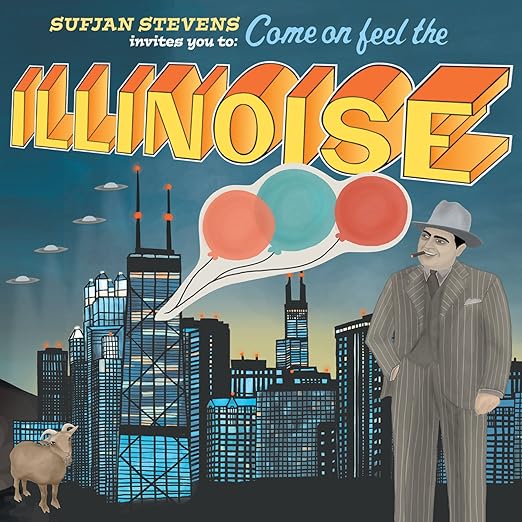
Carrie & Lowell quietly slid past
Illinois after some crying, etc. These are the best of the best. In my next installment, I will highlight my "favorite" records that, although they may not have landed on this list, likewise captured my aesthetic imagination, fixated my devotion, and rewarded listen after listen.

Kid A by Radiohead (2000).
At the turn of the century, Radiohead
deconstructed the titanic rock record -- their own! -- and created a post-modern masterpiece: strange, haunting,
rhythmically complex, and, somehow, amid the dread of our age,
dazzling and beautiful.
 Agetis Byrjun by Sigur Ros
(2000).
Iceland's Sigur Ros established their near-mythic status with their second album, introducing listeners to sounds they could not have imagined: lush, dissonant,
ambient post-rock orchestration helmed by singer Jonsi Birgisson's otherwordly vocals and cello-bowed guitarwork. With songs that
seem to reinvent the natural world, this record is the band's perfect distillation:
beautiful, forlorn, and epic, conjuring up untold ages of men, ghosts, summers, winters, and suns.
 The Moon and Antarctica by Modest Mouse
(2000).
Spare, jagged, and roaring with near nihilistic impulses, Modest Mouse's third record
can jolt any dead heart back to beating. Before the band turned Isaac's Brock's frenetic worries into polished, melodic guitar wonders on
Good News For People Who Love Bad News, the Washington band struck chord after unnerving chord with the stiff winds howling through this
monument of indie rock.
 Discovery by Daft Punk
(2001).
Daft Punk
ruled the planet at the turn of the century and humans were merely
automatons programmed to dance to their music. The duo of Guy-Manuel de Homem Christo and Thomas Bangalter, preferring anonymous robot personas, stormed the French house scene and ultimately transformed it into epic electronic operas, with a heavily compressed sound and
auto-tuned vocals that spawned a million imitators.

Yankee Hotel Foxtrot by Wilco (2002).
Funeral by Arcade Fire (2004).
The
apotheosis of the first decade's indie-rock obsessions. Though the record was created in the wake of the death of band member's loved ones, it is brimming with power, hope, danger, and
fierce righteousness, seeking connections
in the never abandoned: brothers, sisters, friends, truth, and dreams.
 Boxer by The National
(2007).
We're half awake in a fake empire. Somewhat chilling, thus begins the sublime
Boxer, with Matt Berninger sounding like a fractured, amplified Leonard Cohen, loosely tying together
adult threads of love, loss, and alienation. The record's
urban elegance shimmers in the streetlights, rewarding listen after listen with a rich,
world-weary texture of chamber-pop, folk, and post-punk, barely eclipsing
Alligator's blazing glory by virtue of a longer existential sigh.

Insert Your Favorite Kanye Album [Graduation] (2008).
Fleet Foxes by Fleet Foxes (2008).
Bursting with baroque pop harmonies
seemingly hatched in a forest glen, Fleet Foxes' timeless textures weaved spellbinding melodies into an instant classic. Flowing hair, beards, vests, goats, acoustics, folk motifs, and four-part a cappellas, the record turned a variety of influences into a unique musical kaleidoscope. With
strains of shape-note singing,
Pet Sounds harmonies, gospel, and folk, Robin Pecknold and his mates
rolled over hills, woods, and rivers into some kind of Appalachian wonderland.
Teen Dream by Beach House (2010).
Kaputt by Destroyer (2011).
Vancouver's Dan Bejar navigates the backrooms of the world,
breathing cinematic life into a modern, urban noir. An
atmosphere of rain-soaked city parks, throbbing nightclubs, and deserted downtown streets is evoked with exquisite language; Bejar's lyrical approach to his cosmopolitan subjects is nothing short of poetry. Musically, with only a hint of irony,
Kaputt melds watery bass lines, smooth jazz, and new wave synths into a lush canvas of scenesters, romantics, and playboys, all of them literate, wry, and wizened.
Bon Iver by Bon Iver (2011).
I can see for miles, miles, miles. Leave the parenthetical coasts and
strike out for the continent. Consider the wide expanse and the places that unfurl. Minnesota, Wisconsin, Michicant. Lisbon, OH. Winnum, TX.
Calgary. On Bon Iver's brilliant self-titled album, Justin Vernon sets his earthworn gaze across it all, traveling beyond the unconventional and folk-riddled province of his debut into
expansive realms all his own.
Hurry Up, We're Dreaming by M83 (2011).
Modern Vampires of the City by Vampire Weekend (2013).
I still remember my first listen; I swooned. And I knew immediately I was listening to an American pop classic like
Bridge Over Troubled Water. Whether the realization dawned during the piano in "
Hannah Hunt," the guitar breakdown in "
Everlasting Arms," or the chorus swells in "
Step," I cannot be sure now. But it was an engrossing feeling, a self-aware recognition of timeless pop genius unfolding in real time.
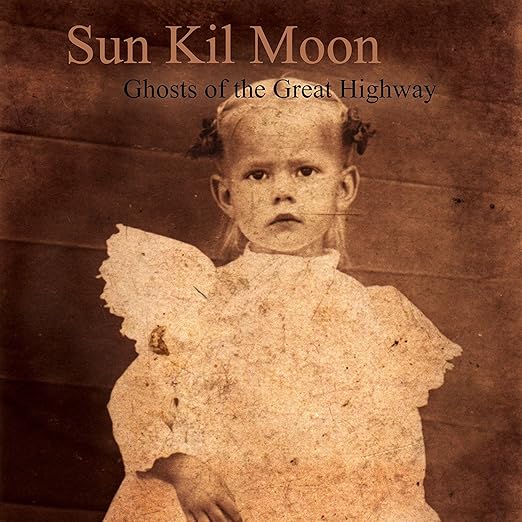
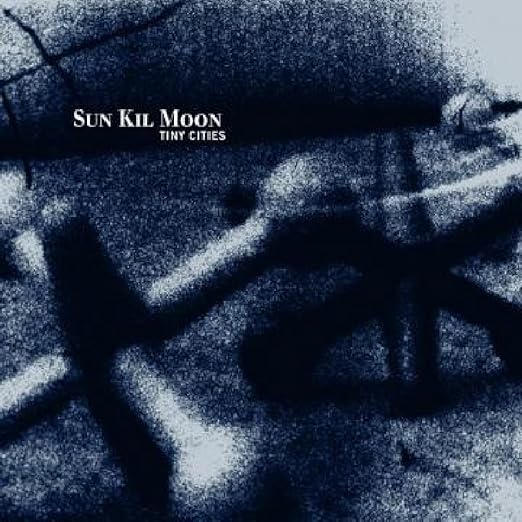
Benji by Sun Kil Moon (2014).
If albums were contending for the equivalent of the Great American Novel,
Benji would be on the shortlist. A cohesive, thematic whole, it is both a literate masterwork and musical stunner. Mark Kozelek chronicles his roots in Ohio, his emergence as an artist, and his everyday present, creating a poignant aesthetic with sharp-edged diaries, seemingly tossed off, like a beat poet with a nylon string guitar.

Lost in the Dream by The War on Drugs (2014).
When rock music doubles as
spiritual suffering and rejuvenation, it is both surprising and soul stirring. Guitars and drums and vocals can make listeners feel many things, but when they explore dark personal hallways and illuminate the path of faith, however faint, it is an
empathetic, immersive experience.
Lost in the Dream drives through the open-road mist, uncertain but reaching, tapping into a universal vein of heartland rock while sounding generous and cathartic.
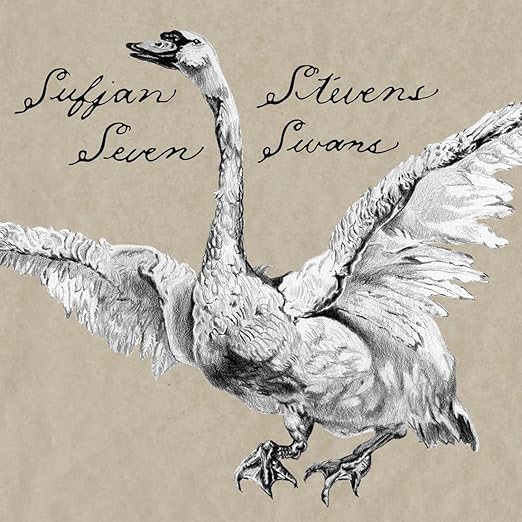
Carrie & Lowell by Sufjan Stevens (2015).

Currents by Tame Impala (2015).
Currents is a studio album so exquisite, with
off-the-chart, hi-fidelity production values, it is hard to believe that mastermind Kevin Parker recorded it by himself in a small shack in Perth, Australia. While it is a towering recording achievement and
an audiophile's daydream,
Currents is also an immense pleasure to listen to, as its
canyon-sized grooves gloriously run to star-soaked coastlines.
 DAMN by Kendrick Lamar
(2015).
An experimental fusion of rap, jazz, R&B, and funk music, Kendrick Lamar's third album,
To Pimp A Butterfly, soared with his lyric ferocity and timely narratives of black alienation and empowerment, cementing his status as this generation's hip-hop voice of reason and warning. But The D Man favored the spare and arguably
more populist DAMN, with its
hard-hitting flows and
varied political and personal introspection.
 In Colour by Jaime xx
(2015).
Panoramic and pristine,
In Colour is arguably one of the best house records of all time. It is a sparkling dance score
experienced from great heights, elegant and lavishly produced. Jamie xx's solo debut arrived after years of curating in-demand DJ sets and helming production of The xx's minimalist records. In parts nocturnal and noonday, the music is
dark hued and glimmering, serving as
a grand escape from the glut of meathead EDM that ruled much of the airwaves.
 Coloring Book by Chance the Rapper
(2016).
Coloring Book is an absolute triumph and easily my favorite rap album since
Graduation. Hailed as a mere "mixtape," its musical ethos spans
gospel, R&B, soul, jazz, and spoken word, resulting in a
boundary-blurring joy of a record. Listeners can detect no hypocrisy or exaggeration; Chance's spiritual experience, undoubtedly Christian, shapes his aesthetic worldview as the blessings fall from above,
hip-hop hymn after hip-hop hymn.